

Precision sealing
for Hydrogen power
A Seal That Fails Before Ten Years No Longer Meets Industry Expectations
An electrolyzer consists of hundreds of cells operating under high pressure and elevated temperatures. Every fluid circulating through the system must remain perfectly contained. Any loss of sealing integrity can halt hydrogen production, while escaping hydrogen creates a significant safety risk.
As a result, electrolyzer seals are expected to deliver a minimum service life of ten years, a benchmark that has become a key industry standard for hydrogen applications.
Find your solution






Our Hydrogen Sealing Solutions
Seals for Electrolyzers
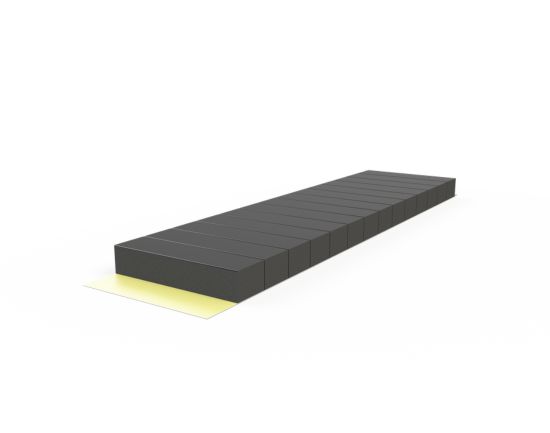
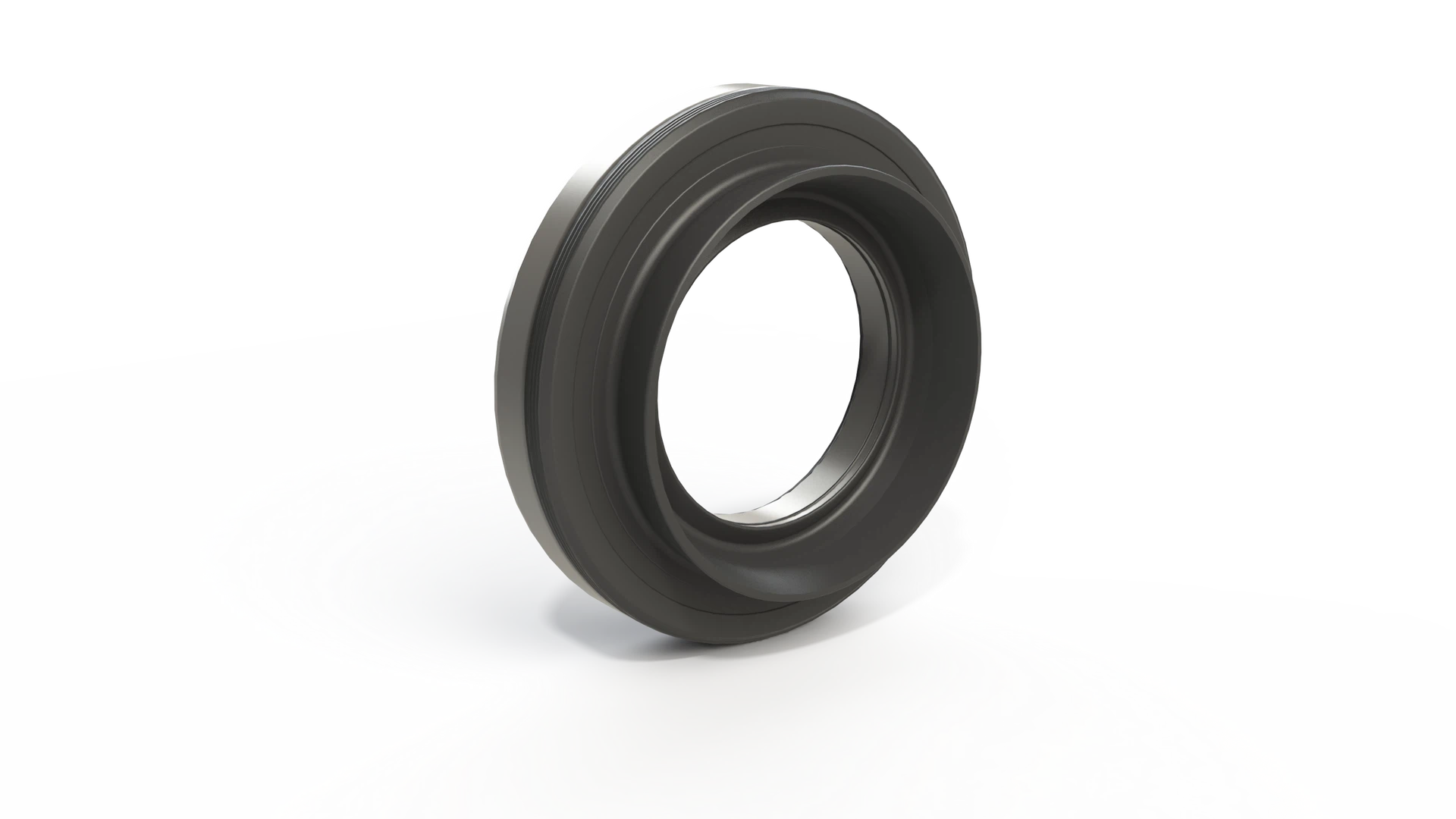
Our seals maintain fluid separation within each cell despite continuous exposure to high pressures and temperatures.
They are manufactured from polyolefin materials specifically developed for electrolyzer applications and validated in our research centers according to international standards. Available in diameters exceeding two meters, they are suitable for large-scale electrolyzer systems.
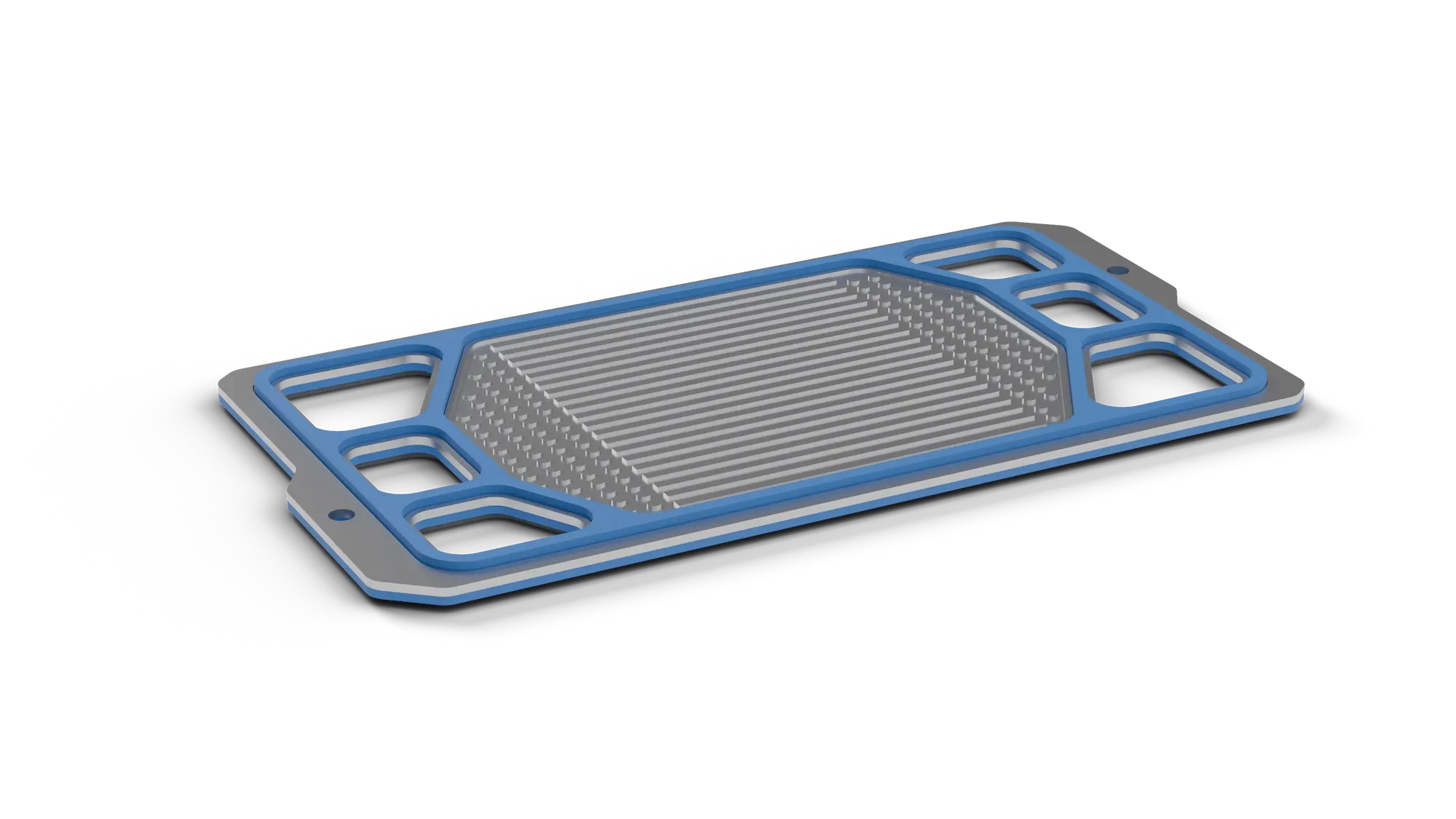
Bipolar Plates
Bipolar plates play a critical role in fuel cells, supporting both electrical conductivity and fluid management.
Our qualified elastomer materials offer very low hydrogen permeability, helping minimize gas losses over time. In addition, our overmolding technology ensures reliable sealing performance while meeting the assembly requirements specific to these components.
Static Sealing Architectures
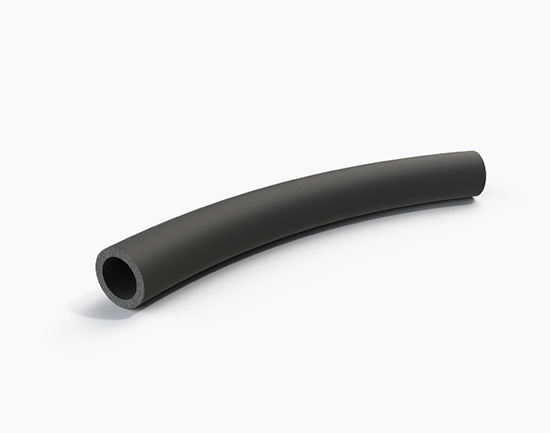
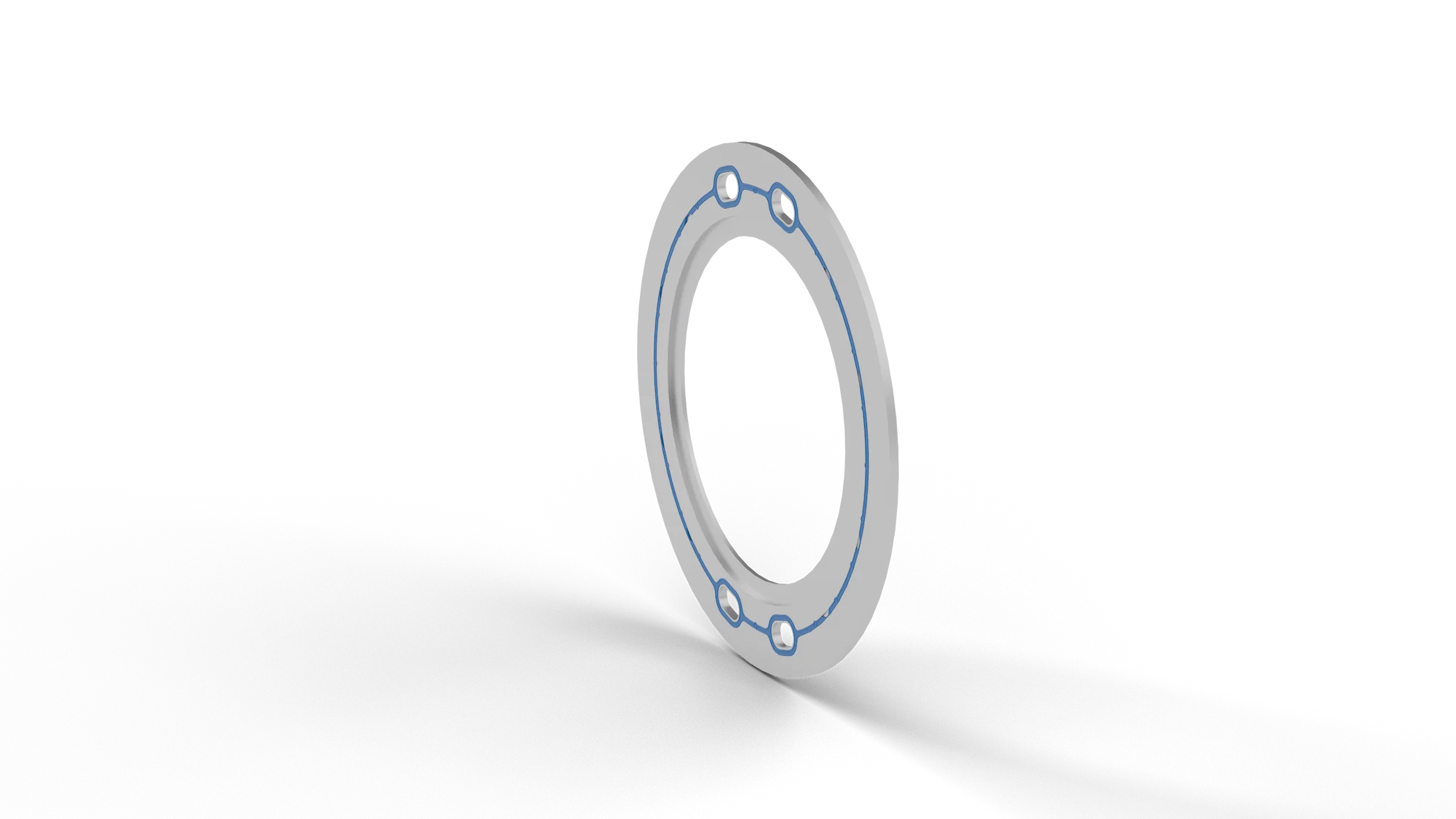
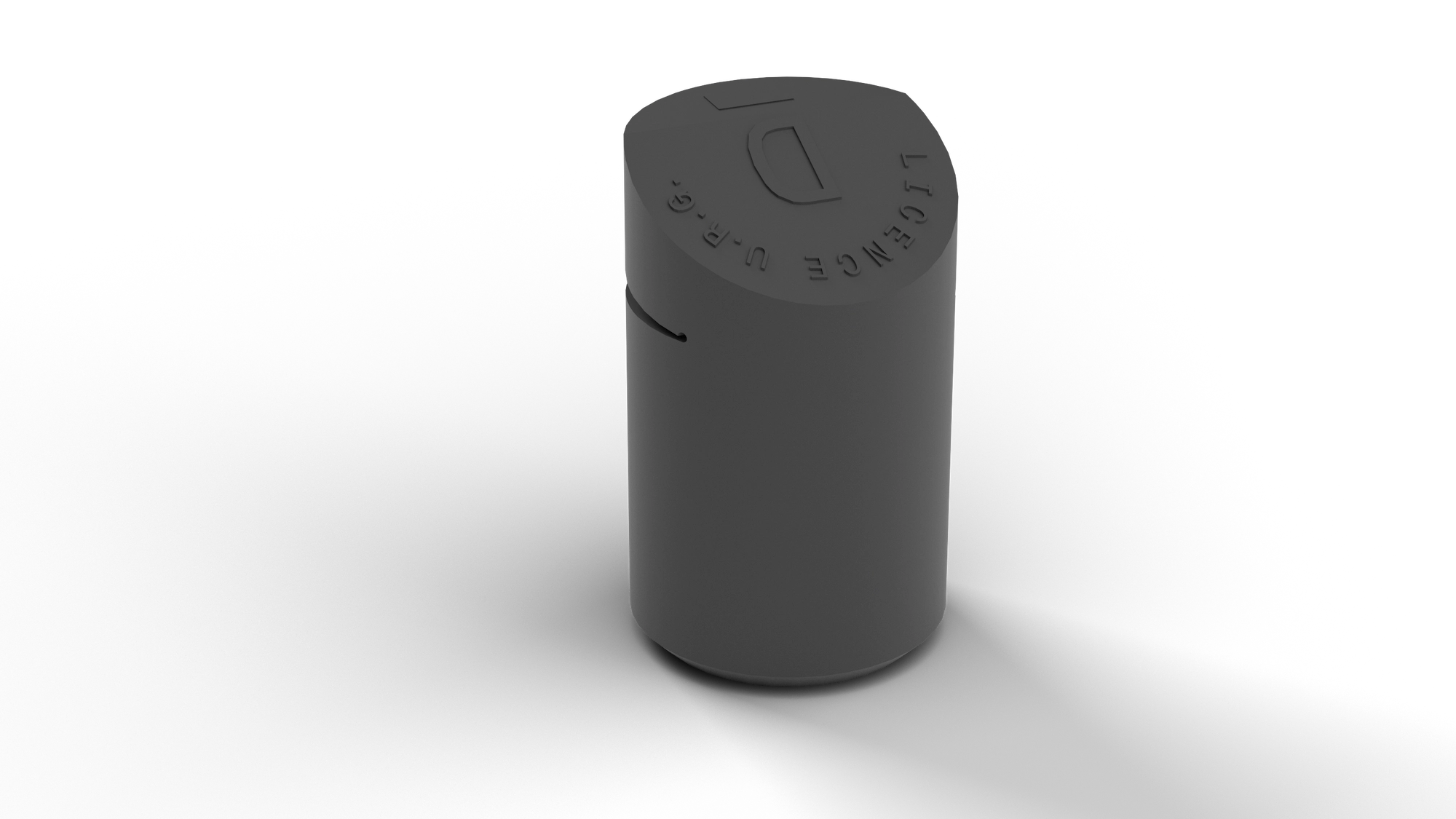
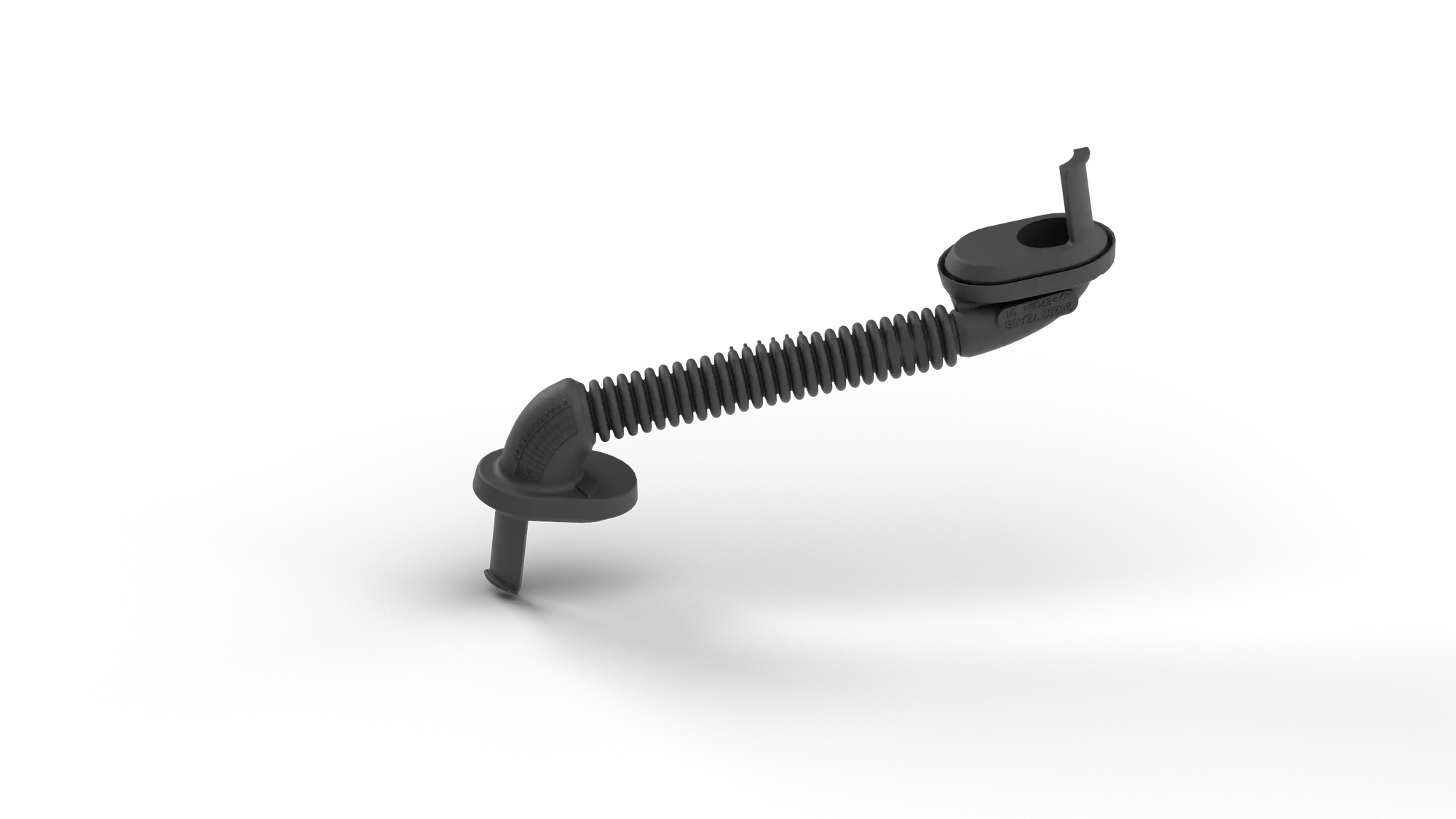
Our static sealing solutions cover all fixed interfaces within your installation, from flange seals to sealed cable entry systems.
Each design is selected according to the process fluid and operating pressure, with solutions validated for the most demanding applications. This broad portfolio allows you to source multiple sealing requirements from a single partner, simplifying project management and ensuring consistent performance across the installation.