

Power Transmission
for Construction equipments
Your Drive Systems Operate in the Most Abrasive Environments
Compressors, cooling fans, and hydraulic pumps on construction equipment often run for extended periods in air laden with mineral dust and jobsite debris. Over time, these abrasive particles wear pulley grooves and degrade belt compounds that are not designed for such conditions, reducing transmission efficiency long before any visible failure occurs. The result is more frequent maintenance on equipment where every hour of downtime carries a significant cost.
Find your solution
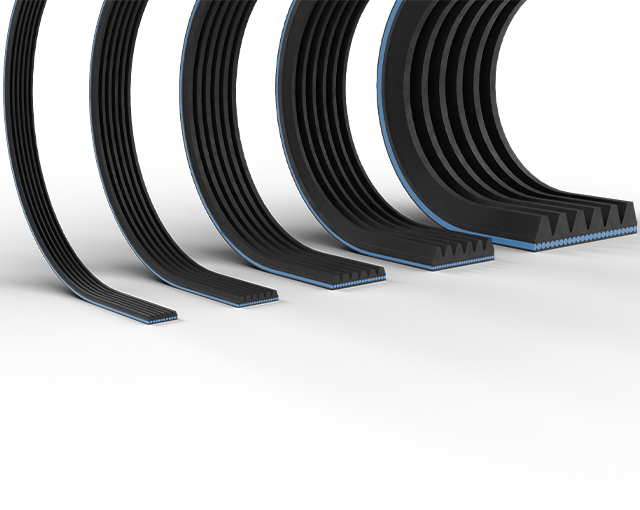
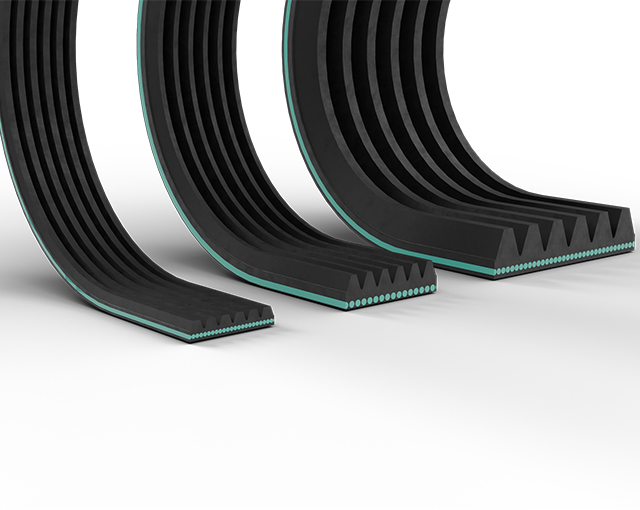
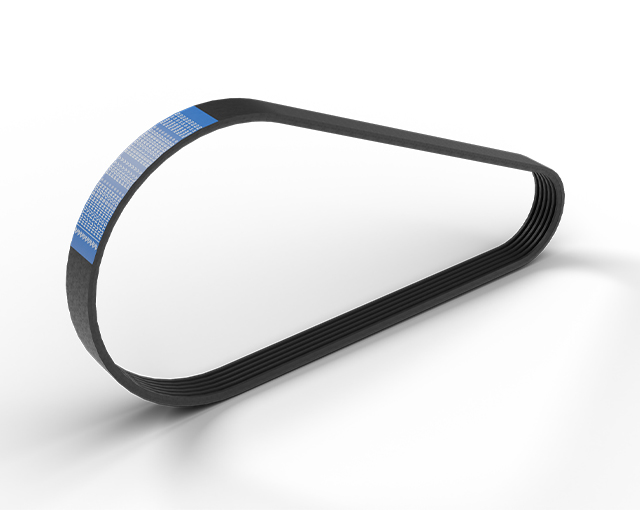
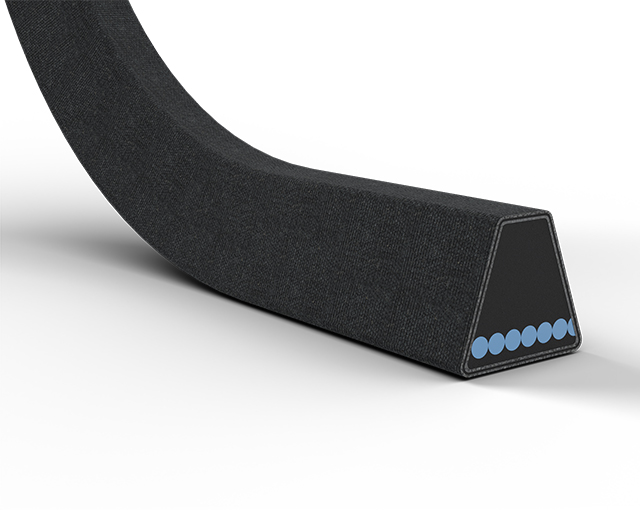
Our Belt Drive Solutions
Aramid-Cord Belts
Designed specifically for the demands of construction equipment and mining operations, these belts address applications where polyester cord constructions reach their tensile limits. Aramid reinforcement supports higher loads, enabling increased power transmission without changing belt geometry.
This technology is equally suited to powered equipment and the conveyor systems that feed processing and material-handling installations.
Elastic Belts
Elastic belts eliminate the need for a separate tensioner, as their inherent elasticity maintains the correct tension throughout the belt's service life. We particularly recommend these solutions for high-power industrial engines operating in environments characterized by elevated temperatures and constant dust exposure.
By removing a component that is itself subject to wear and failure, you increase system reliability and reduce maintenance requirements, a critical advantage on jobsites where every intervention requires time and resources.
Tensioners and Pulleys
A drive system can only perform as well as its tension control. Even a high-performance belt will lose efficiency if tension gradually drifts during operation.
We offer both fixed and dynamic tensioners, combined with our own pulley solutions, to support the entire drive system. This holistic engineering approach ensures all components work together as a complete system, helping to prevent the performance issues and unexpected failures that can arise when individual components are selected in isolation.