

Precision sealing
for Building & Facades
Technical Systems Leave No Room for Leaks
Modern buildings rely on a network of critical systems that often go unnoticed until a problem occurs, from heating circuits and pumping systems to valves and fluid distribution networks. Even a minor leak can quickly become costly, both because of the damage it causes and the difficulty of accessing the affected area for maintenance.
Many of these systems also carry potable water or gas, adding strict regulatory requirements to the technical performance expected from sealing solutions.
Find your solution
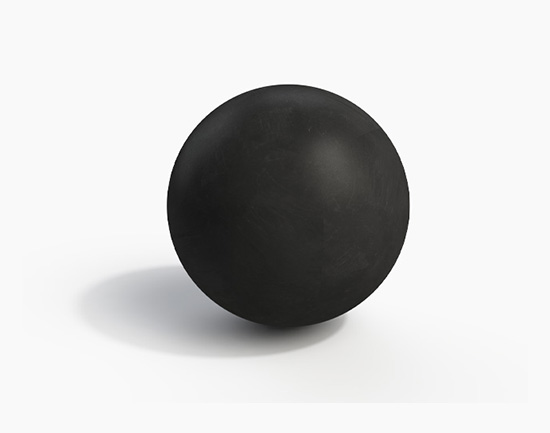
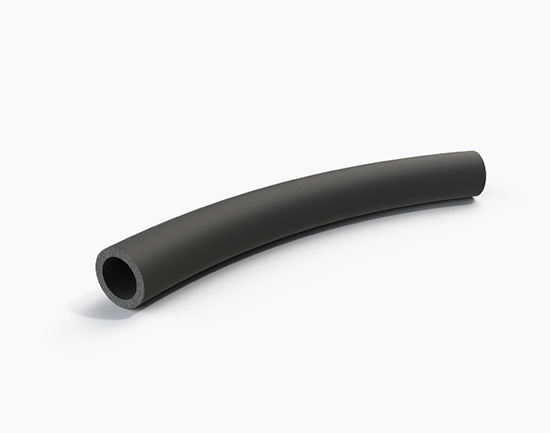
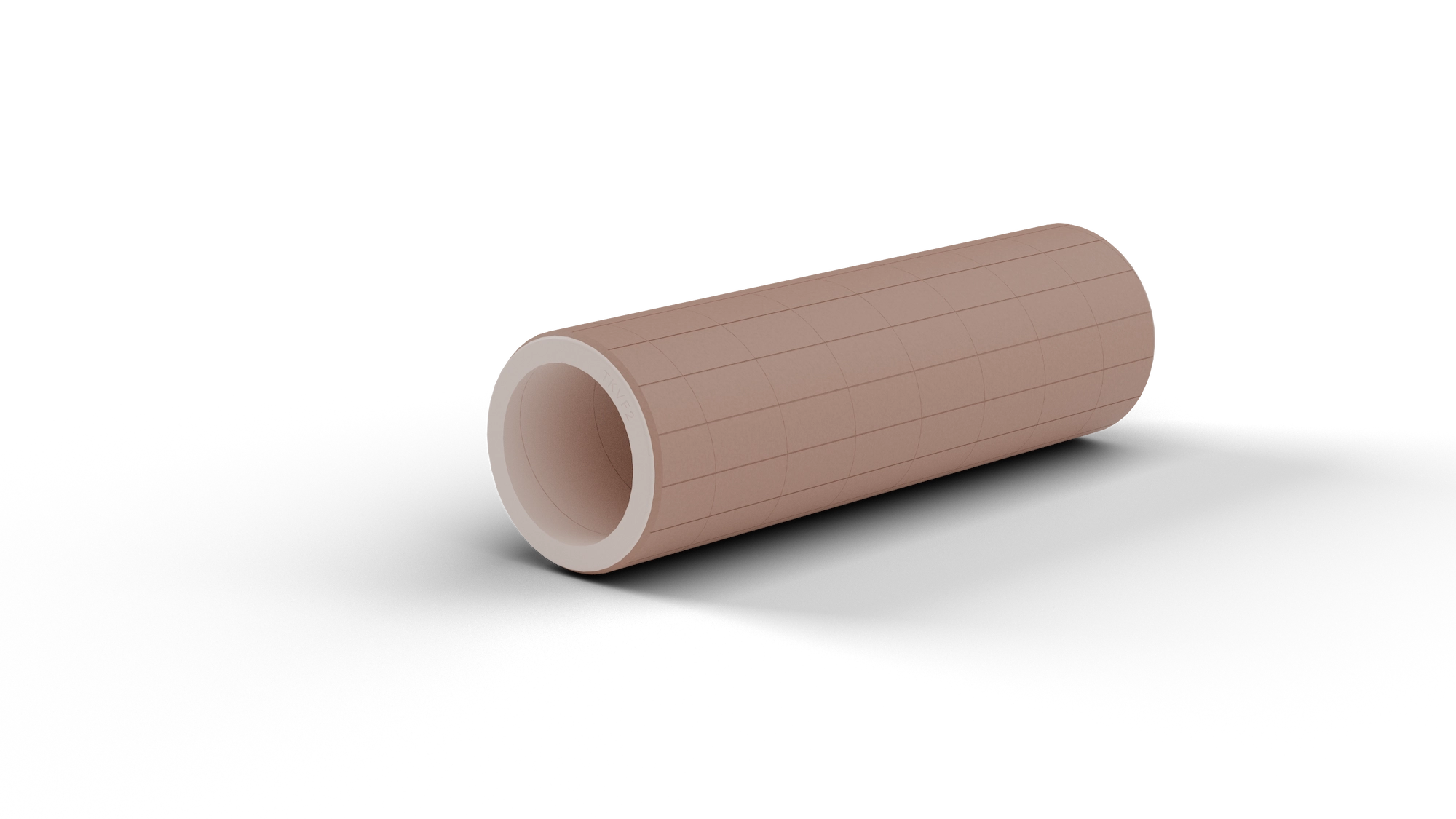
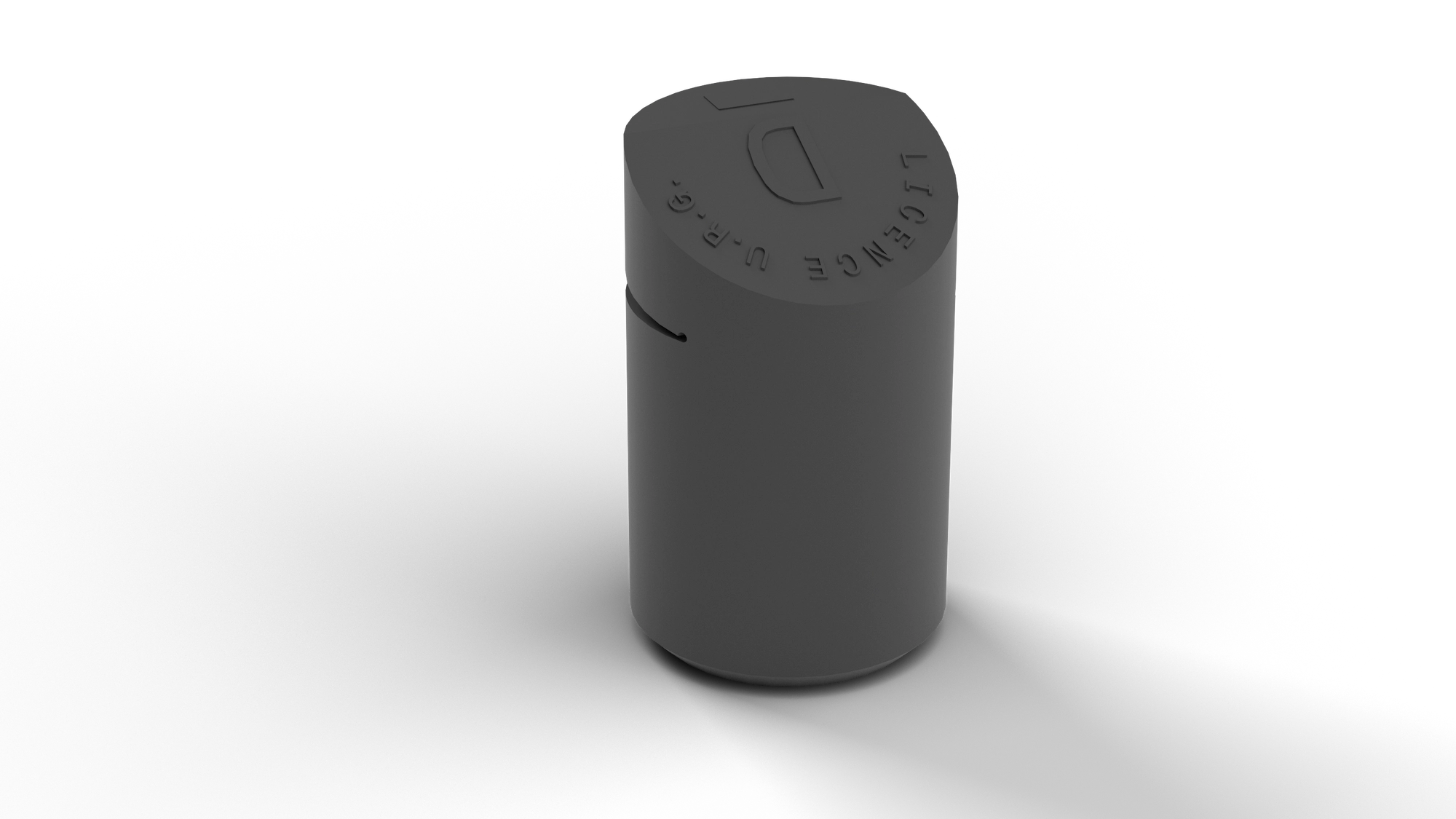
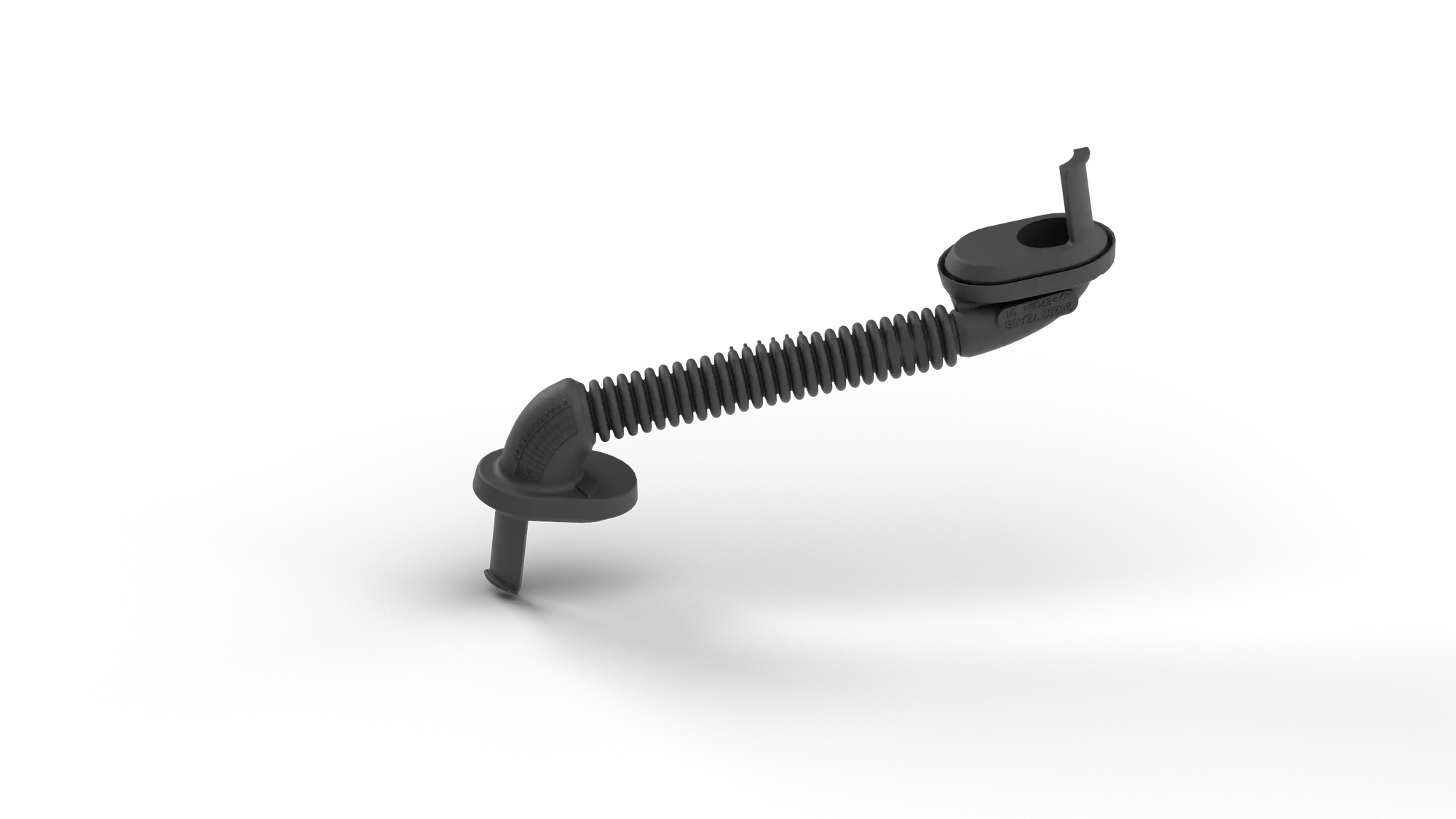
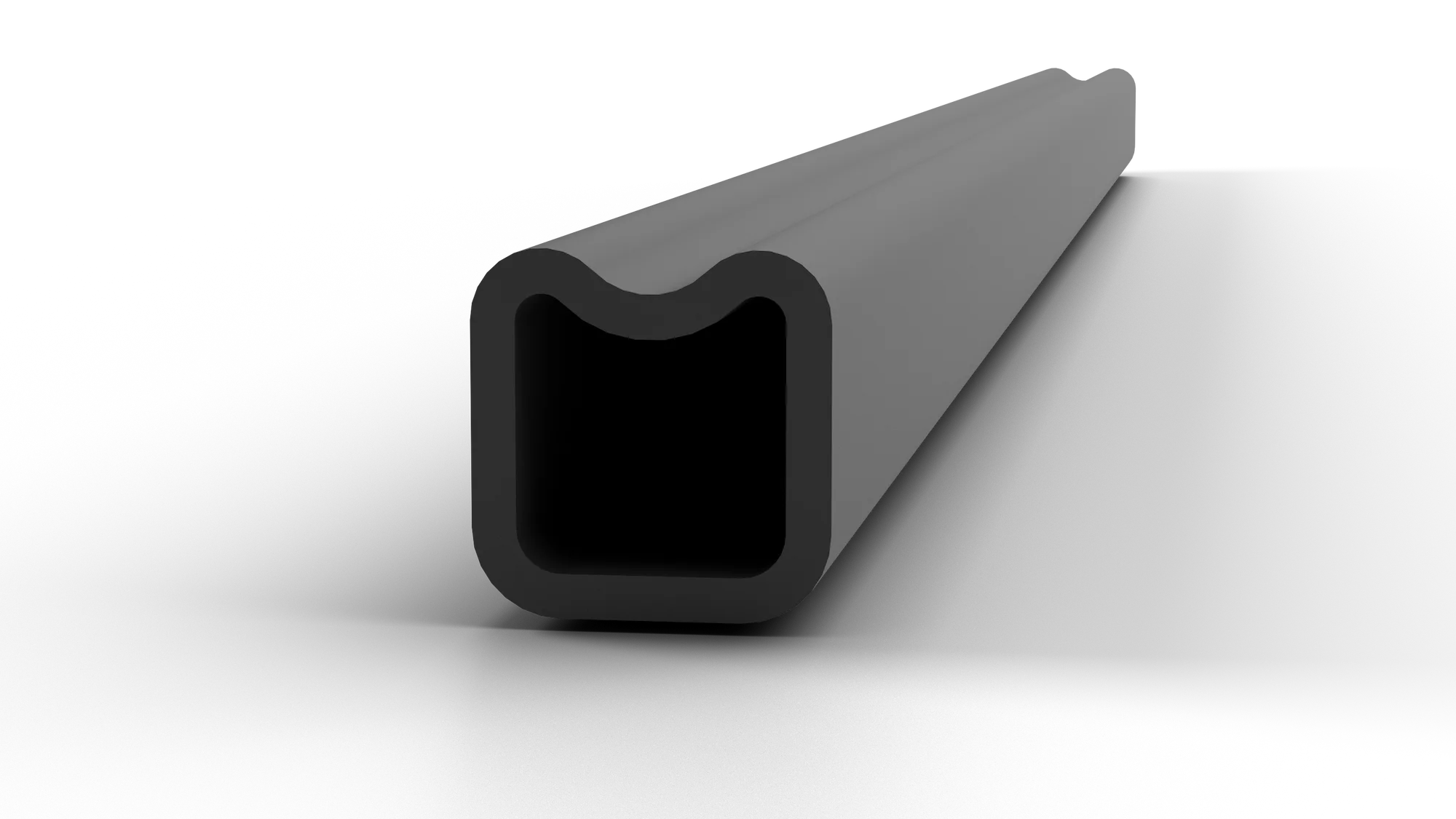

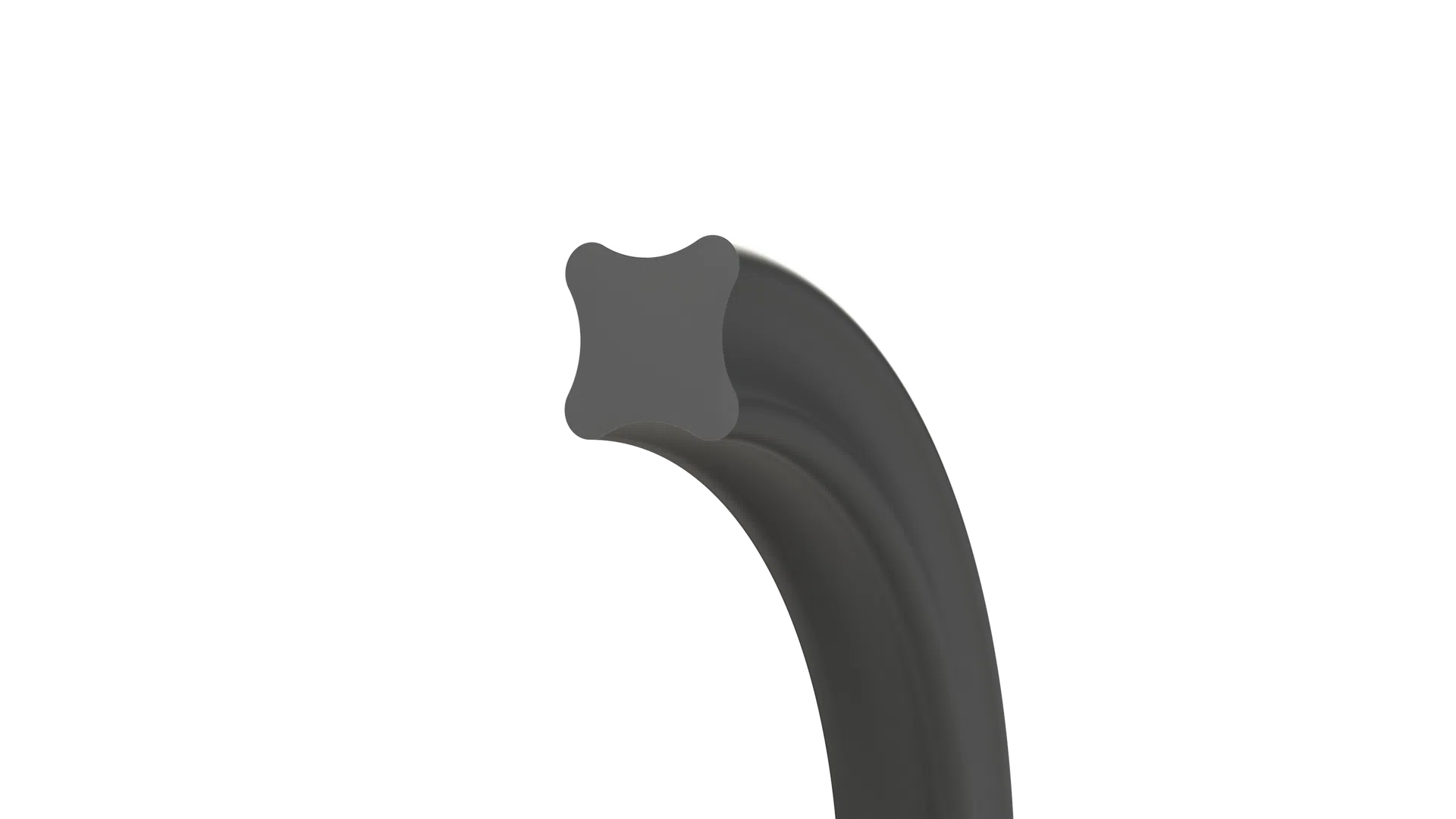
Our Sealing Solutions
O-Rings
O-rings remain the most widely used solution for static sealing applications. Their simple design reduces the risk of assembly errors while delivering reliable sealing performance across a broad range of operating conditions.
We offer a wide selection of elastomer materials, allowing the same sealing geometry to be adapted to very different systems depending on the fluid being conveyed.
Our engineering teams also support customers in selecting the correct installation dimensions, a parameter that is often underestimated despite its direct impact on sealing performance and service life.
Rubber-to-Metal Bonded Seals
These seals address applications where O-rings are less effective, particularly beneath bolt heads and within pipe connections.
Our design combines a rectangular-section metal washer with a bonded and vulcanized trapezoidal rubber sealing element. A thin centering membrane ensures accurate positioning during assembly.
This construction provides reliable resistance to pressure, vibration, and demanding temperature conditions while preserving the integrity of the assembly over time.
Approved Elastomer Compounds
Material qualification is often a critical factor in determining the feasibility of a project.
We offer compounds designed to meet the requirements of water and gas distribution systems, as well as heating and utility network applications. Our laboratories also conduct aging tests and failure analyses on components taken directly from customer installations.
This approach helps identify the root cause of failures and implement corrective actions, rather than repeatedly replacing components without addressing the underlying issue.