

Acoustics and vibration
for Doors & Windows
The Window Is Often the Weakest Acoustic Link in the Building Envelope
A well-designed wall can easily achieve performance levels that no opening element can fully match. Your customers understand this. Yet they still evaluate windows and doors based on two key criteria: how effectively they block outside noise and how well they contribute to thermal insulation.
While glazing and frame systems provide most of the acoustic and thermal performance, a small gap always remains where the sash closes against the frame. The seal's role is precisely to eliminate this path and prevent sound infiltration.
Find your solution
Our Acoustic and Vibration Isolation Solutions
Sound-Absorbing Materials
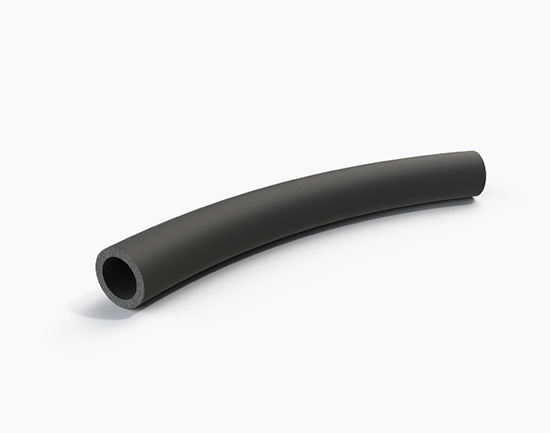
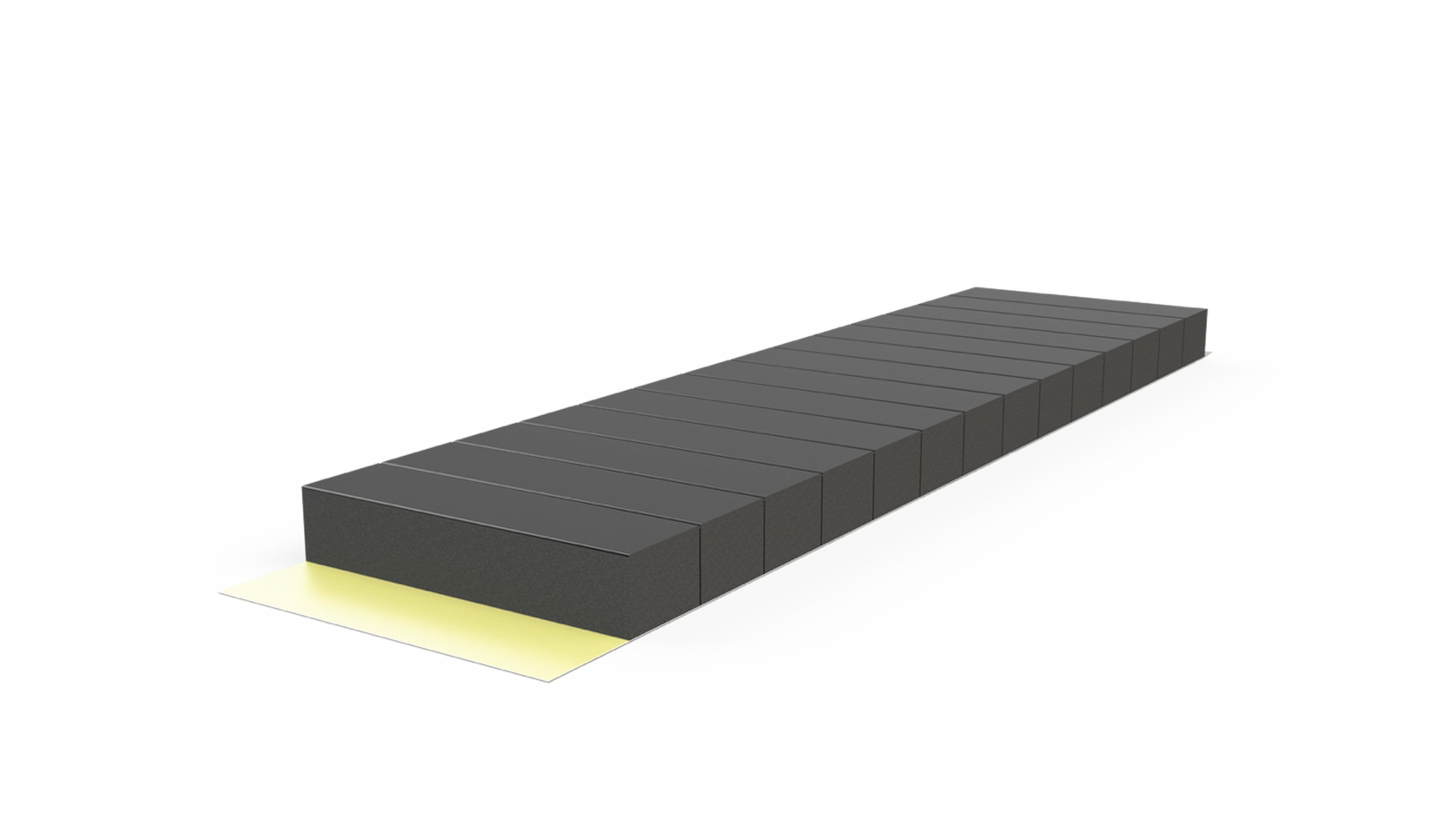
Our acoustic composites combine polyurethane foams and cellular rubber materials to deliver three complementary effects.
First, they provide insulation by creating a barrier to sound transmission. They then absorb acoustic energy passing through the material. Finally, they damp vibrations transmitted through direct contact.
In window and door systems, these solutions are particularly effective for roller shutter boxes and hollow frame cavities, two areas where sound can easily bypass even a well-designed sealing system.
Vibration Isolation for Motorized Systems
Motorized windows, shutters, and façade elements introduce new sources of noise that customers are increasingly unwilling to accept.
Our anti-vibration solutions decouple the motor from the frame structure, preventing the assembly from acting as a sounding board that amplifies operating noise.
We also tailor the stiffness of the isolation interface to the actual mass of the mechanism, since incorrectly sized isolation systems can worsen acoustic performance rather than improve it.